

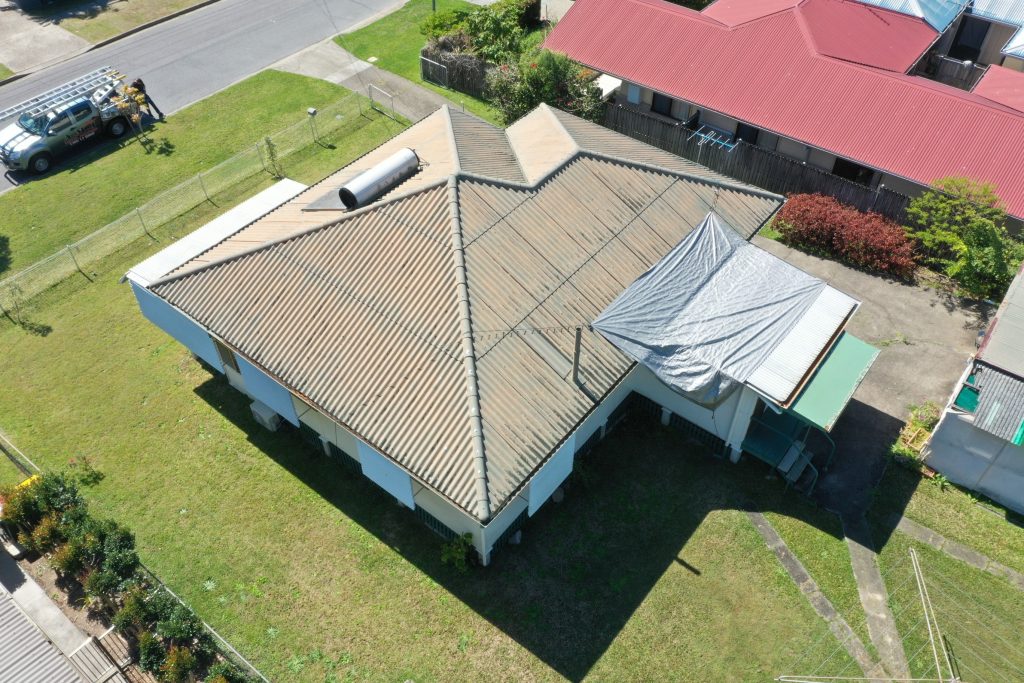
total replacement of a roof in most Brisbane houses usually requires around two to three days, depending on the work done. This includes removing the existing roof, installing the new materials, cleaning up after installation, and any additional work that may be needed, including repairs to fascia and guttering. However, the actual timeframe starts way before anyone even sets foot on the house. It takes an average of four to eight weeks from the initial quotation to the completion, and the on-site days are just the visible tail end of a much longer sequence.
If you already know your roof needs replacing and want a clear timeline for your specific property, call AMJ on 1300 12 ROOF for a detailed quote.
The short answer for most Brisbane homes
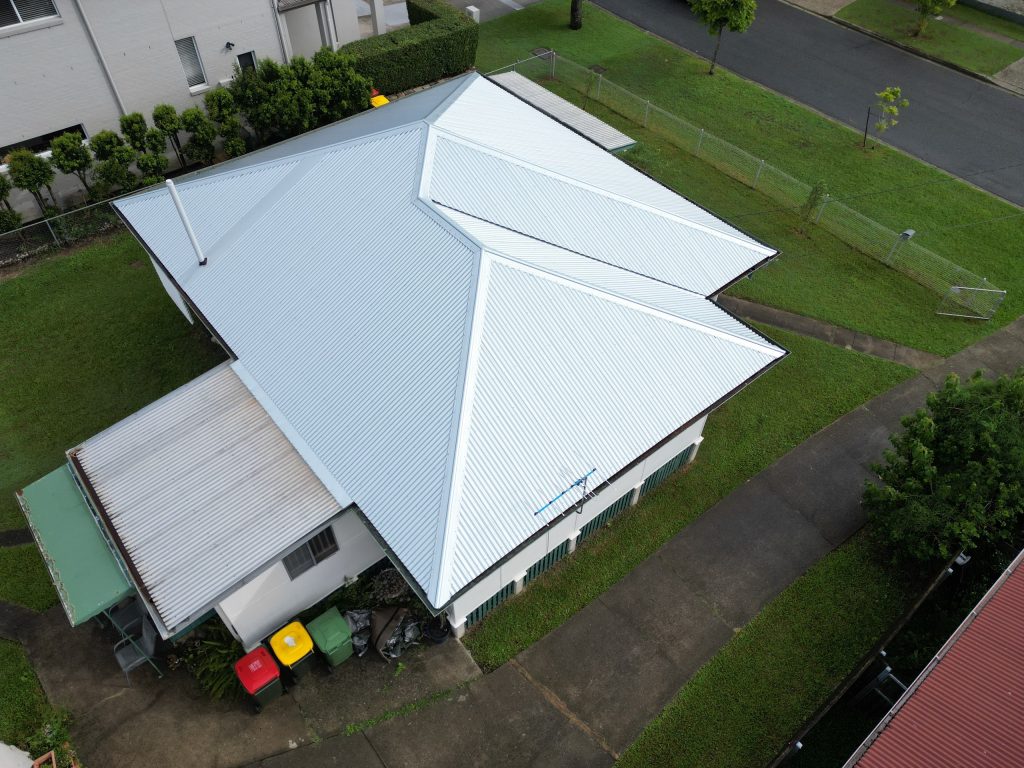
The time spent on site is highly dependent on what is being stripped and what is happening. Below is how the most common scenarios break down.
Metal-to-metal replacement
This is the quickest form of reroofing, as the old metal roof sheets are stripped away in big sections and then checked for any damage before installing the new Colorbond/Zincalume roof sheets over them. On a typical Brisbane house roof covering 150 – 250 square metres, a proficient crew can take just two to three days to remove the metal roof sheets and install new metal sheets in their place.
The reason behind the rapid completion of metal roof installation is simply the fact that metal roof sheets cover wide areas faster than tiles do and leave little mess to clean up after their removal. As long as the battens and frame remain intact, the new roof can be installed right after the old roof is taken down. You can learn more about AMJ’s Colorbond roofing services in Brisbane if you’re considering a metal-to-metal upgrade.
Tile-to-metal conversion
Removing old tiles is a heavier job, making a tile to metal conversion more time-consuming than metal to metal. Typically, the time taken to complete a tile to metal conversion in a house in Brisbane is between three to five days.
This extended period is due to multiple processes. Firstly, the old tiles need to be removed and disposed of in skip bins, a process that is time-consuming due to their weight and bulk. Secondly, the current battens will almost always be replaced since the battens for tiling are placed differently compared to metal roofing battens. This process will also involve an inspection of the roof structure since the old tile roofs, especially those over 30 or 40 years old, often hide deterioration in the timber framing that wasn’t visible before removal. For a detailed look at how the two materials stack up, read our guide on Colorbond vs tile roofing.
Asbestos roof replacement
If the current roof consists of asbestos panels, the process will last longer. The removal of asbestos roof panels in Queensland requires hiring of a qualified asbestos removal contractor who will remove them according to the set procedures, which include testing the air, ensuring that controlled wetting takes place, and then packaging for disposal at a licensed site. This isn’t something any roofer can legally do on their own.
As far as asbestos removal goes, you can expect the duration of the whole process to take from one to two more days before starting the roof replacement. On average, it takes up to six days to complete an asbestos to metal roof replacement. More importantly, asbestos removal scheduling requires coordination between the two contractors due to the required clearance test. You can find more details on our process for asbestos roof replacement in Brisbane.
What affects how long your roof replacement takes
The time periods mentioned above are merely average times. Your exact schedule will depend upon various circumstances relating to your individual property.
Roof size and square metreage
This is the simplest variable to consider. Bigger roofs mean more time spent. A modest three bedroom house with only 120 square metres of roof space is an entirely different matter compared to the five bedroom house with over 300 square metres. A roof that’s twice the size won’t necessarily take twice as long, though, because setup and scaffolding time stays roughly the same regardless of roof size. But the sheeting and flashing work scales with square metreage, and so does the guttering.
Roof design, pitch and complexity
A gable roof (which is flat in nature) will take less time than a roof that has multiple hips, valleys, dormers, and pitches. Each valley and hip needs customised flashing, and each change in direction adds one more to the list. Steep roof pitches take longer because of safety concerns, as more points need to be installed, and the roofer needs additional harness points while moving more carefully across the roof surface.
If you have a roof design that has six to eight planes and is pitched in multiple directions, expect the on-site time to sit at the upper end of the range for your roof type. These factors also have a significant impact on price, which is covered in detail in our guide to roof replacement costs.
Condition of the existing roof structure
Here’s the element that usually takes the homeowner by surprise. Once the old roof is stripped off, it becomes possible to assess the complete state of the timber structure, including the battens and fascia boards beneath. Provided that everything is good, the roof construction proceeds according to plan. However, if there are any signs of rotting or termite infestation, or even major repairs are required, the problem must be addressed prior to laying a new roof sheeting.
Where an existing roof is several decades old, it is normal to expect some work at this stage. Simply replacing a couple of damaged battens can take up half a day of labour. Structural repairs involving major elements, such as rafters and trusses, can increase the duration of the job by one or two days.
Weather conditions in South East Queensland
Roofing can take place for most of the year, although rain and wind do result in delays when they hit. Heavy rain prevents any roofing from taking place at all, since the structure cannot be left uncovered, and roofers cannot safely operate on wet metal structures. Wind above a certain level can also halt crane activity and the movement of sheets.
The period between November and March, when summer storms occur, tends to be the least predictable period. The same task could easily take a few more days in January than July or August due to summer storms occurring in the afternoons. That is why our teams are equipped with tarps and weather-proofing material, and we are prepared for any delays in bad weather. If your roof has sustained storm damage, AMJ also offers storm damage and insurance repairs.
Site access and edge protection requirements
The entire perimeter of the roof will require scaffold erection and edge protection before any work can begin. The law in Queensland regarding workplace health and safety requires that scaffolding be erected prior to commencing the installation process, and AMJ follows suit on every project.
The amount of time this will take will depend on your specific situation. For instance, a single story house on a level lot with unobstructed access from all angles can be completed in about half a day. On the other hand, a two-story house with restricted access at the back of the house, where there is a swimming pool and a carport, can take a whole day before even starting the actual work.
What hidden damage can do to your timeline
Every experienced roofer knows at least a couple of cases where the job appeared easy just by looking at the house, but it turned out much trickier after stripping the existing materials. That’s why we do the inspection of your property in order to determine any problems beforehand and before you receive your quote.
However, there are cases where the problem remains unseen until all the roof’s layers are stripped away, revealing termite trails within battens that were considered solid by their external appearance, water damage to rafters located behind the sarking, broken fascia boards due to corrosion of the fixing, etc. In this case, the work will need to stop for a while so that our experts can estimate the extent of damage, replace damaged timber, and make all necessary structural repairs.
AMJ’s approach is to communicate this immediately when it happens. You will be called and told about what has been discovered, accompanied by pictures showing the damage and an explanation about the further repairs needed and their price, all before any repairs are carried out. It is much better to discover the damage and repair it correctly than to hide it. If you’re unsure whether your roof is reaching the end of its life, there are some common warning signs to look out for, which are covered in our post on signs your home needs a roof replacement.
The pre-construction phase most people forget about
When a homeowner asks how long a new roof takes, they usually want to know about the days the roofers will be working on their roof. However, it is the weeks before then that matter just as much, and if ignored, they create false hopes regarding the whole process.
Council approval and building applications
In Queensland, any re-roofing job that will cover 20% or more of the total roof surface will require a building application. For a full replacement, that’s every job. You will require the approval of a building certifier before any work can start on site.
The building approval process takes about one to three weeks, depending on the council region you reside in and the workload of the certifier. Sometimes, during peak times, especially following natural disasters where there are numerous homeowners submitting their applications at once, this can take longer. AMJ offers a building approval process service as part of the roofing projects.
This comes immediately after receiving the quote and just before commencing the first day of on-site work. If your home is in a heritage overlay area or has specific planning restrictions, the approval process may involve additional steps and longer wait times.
Scheduling, materials and lead times
If you have the go-ahead for your construction project, there are two main requirements for work to begin; first, the material for roofing must be ready, and secondly, labour must be available.
Colorbond and Zincalume sheets will be made to measure based on your selected profile and colour choice. Standard colour choices and profiles will take one or two weeks to deliver. If you have a less common colour selection of Colorbond or require custom flashings and strange dimensions for your roof, you might experience an extended delivery time of three or four weeks. For a closer look at the differences between these two materials, see our comparison of Colorbond vs Zincalume roofing.
The crew scheduling varies, depending on the time of year. AMJ’s teams are booked ahead of time, and if the season is one of the peak seasons (storm season recovery, the spring building rush), you may have to wait for a few weeks before the work can commence. This is normal for any reputable roofing company that doesn’t overcommit its teams. A roofer who can start tomorrow in the middle of peak season should raise questions about why their schedule is empty.
What happens on site each day
A typical metal re-roof follows a predictable sequence, and knowing what each day looks like helps you plan around the disruption.
Day one: safety setup, roof removal and structural inspection
The team starts working early, around 6:30 to 7:00 AM. The first step is to install the edge protection and scaffolding, unless this was done the day before. Next comes putting in the safety harness anchor points and securing the work area using barriers and signs on the ground.
With the safety work done, roof removal commences. The old roofing sheets or tiles are removed in sections, ensuring that the entire roof isn’t stripped at once to prevent exposing the building. Each section is assessed for any damage to the battens, rafters, roof framing, and fascias. Any issues found are photographed and documented, then communicated to you before the end of the day.
Old roofing materials go into skip bins on site. AMJ recycles all waste materials, so the old metal or tiles don’t end up in landfill.
Day two onwards: new battens, sheeting and flashings
Once the old roof is stripped and all necessary structural work has been done, the installation process starts. Batten work is done by fixing new battens on the rafters at intervals appropriate for the selected metal roofing profile. Sarking (a secondary layer of weatherproofing material that acts as a reflective layer between the sheeting and the roofing) is then installed.
Finally, the metal roofing sheeting is put in place and secured. The crew installs the metal sheets systematically from the end furthest away from the property entrance, going backwards. Flashing is done for every ridge, hip, valley, and wall junction. This stage is where roof design complexity has its biggest impact on time. Simple designs, such as a gable roof, may require just one day’s installation, while complex roofs with valleys and dormers may take several days.
Final day: gutters, site cleanup and walkthrough
On the final day, the crew fits any new guttering and downpipes (where applicable), finishes any flashing requirements, and conducts an inspection of the complete roof installation. All screws and all flashing seals are checked. The roof will be hosed to test for any problems with drainage.
After the roof has been signed off as being completed to our high standard, we start the ground level clean-up process. This involves dismantling the scaffolding and collecting the skip bins, before doing a final clean of the entire property for any dropped screws, cut-offs, debris, or packaging left behind by our crew.
Before leaving the property, AMJ will do a final walk-through of the completed project and give you information regarding the warranty details. Our warranty details consist of a 10-year written warranty for the workmanship performed by AMJ, along with a manufacturer’s warranty covering the Colorbond and/or Zincalume roof sheets.
Why metal roofing is faster to install than tiles
Tile roofing has become less popular for new constructions and replacements in South East Queensland, and one big reason is how quickly metal roofing can be installed. A single metal sheet can cover the same area that would take many individual tiles to lay down, which can slow the process. When you think about it, fewer pieces mean less handling and fewer spots that need securing, making the job go much faster.
Another advantage of metal roofing is its lighter weight. For example, a Colorbond roof weighs around 5 to 7 kilograms per square metre, while a concrete tile roof can weigh 50 to 60 kilograms per square metre. This weight difference matters because it affects how quickly materials can be moved on-site and whether the existing roof structure needs to be reinforced. If you’re switching from tile to metal, the original structure usually doesn’t need any extra support since you’re moving to a lighter material. However, if the situation were reversed, it would likely require reinforcement.
How to tell if your roofing company is cutting corners on time
After handling more than 7,000 re-roof projects, AMJ has learned a lot about what can happen when roofing companies rush through their work or offer unrealistic timelines just to get the job. If you’re a homeowner, here are some red flags to keep an eye out for.
First, if you receive a quote that promises to complete a full re-roof in just one day, especially for anything larger than a simple, small roof, you should definitely be concerned. A proper roof replacement involves several important steps, including stripping off the old roof, checking the underlying structure, replacing battens, installing sarking, putting on sheeting and flashing, and fitting gutters. These tasks take time, no matter how big the crew is. If someone claims they can finish everything in a single day, consider what they might be skipping.
Next, pay attention to quotes that don’t mention scaffolding or edge protection. These are essential for safety and required by Queensland’s health and safety laws. If a company disregards these, they might be planning to cut corners, which is both illegal and unsafe.
Be wary if a company insists they can start right away without talking about building approval. Skipping necessary council procedures can lead to major issues when you want to sell your home or file an insurance claim.
Finally, if a roofing expert can’t provide you with a clear breakdown of the work plan and timeline, it likely means they haven’t properly organised the project. Reliable communication should be standard from any roofing company you consider. Before committing, it’s worth booking a professional roof inspection in Brisbane to get an honest assessment of what your roof actually needs.
Get a detailed quote with a clear timeline from AMJ
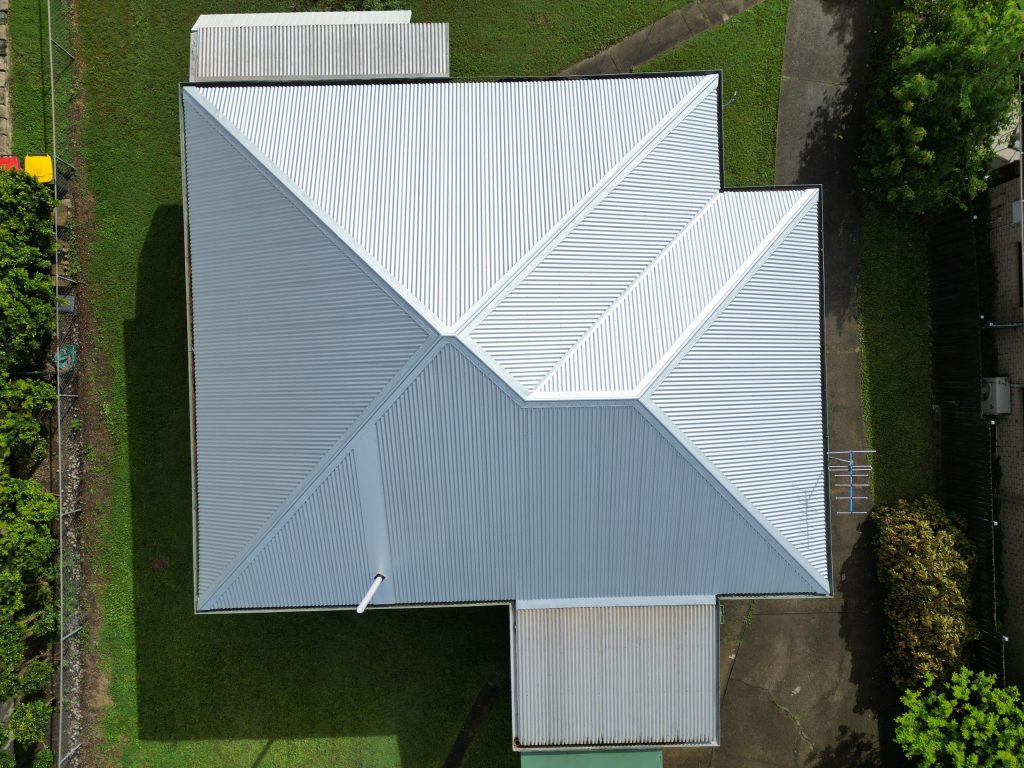
Every roof is unique, and to really understand how long a replacement might take, it’s best to have someone come out and check out your specific situation. They’ll consider factors like the roof size, pitch, complexity, materials, access, and the overall condition of the structure.
AMJ offers free quotes that are without any obligation. Our quotes include a detailed scope of work and a clear timeline from when you approve the project until it’s finished, all for a set price with no surprises. With over 50 years of experience and more than 7,000 re-roofs completed in South East Queensland, we can help you set realistic expectations based on what we have learned from many similar projects.
Call 1300 12 ROOF (1300 127 663) or request a free quote online to get a detailed breakdown for your home.
FAQs
Can I stay home during a roof replacement?
Yes, under normal circumstances, you may remain at home during the works. However, for safety reasons, we do recommend that you avoid being home where possible, as there will be significant noise and ongoing site activity throughout the day. If you do need to stay at home, that is absolutely fine. AMJ will notify you if there are any times when access to certain parts of the property needs to be restricted for safety reasons.
What happens if it rains during my roof replacement?
The workers come equipped with tarps and other waterproof materials just in case of rain while working on your house. They may stop the work for the rest of the day or even delay it depending on the weather conditions for that day. This way, your house will not be exposed overnight.
How far in advance should I book a roof replacement in Brisbane?
It takes around four to six weeks between your enquiry and the actual roof replacement. This is because of the time taken for estimating the project, obtaining approvals, and preparing the material for the job. In peak season, it may take even up to eight weeks to complete the job, so you should book early.
Does a steep roof take longer to replace?
Yes. Roofs with a steep pitch will definitely take longer since they require a number of safety considerations, like more anchor points for harnesses and slower movement on the roof. In general, the steeper the pitch, the longer everything will take. Roofs with extremely steep pitches can even take an additional day compared to roofs with standard pitches.
Do skylights or solar panels add extra time?
Skylights require custom flashings and careful waterproofing around the opening, taking additional time. If your current skylights are to be kept, then the process of installing the roof must be done around them. Should your skylights need to be added, then there will be additional steps involved for cutting, flashing and framing.
If you are installing solar panels on your roof, then they should be removed from the roof before replacing it, and once the roof is replaced, the panels will be put back in place by a licensed electrician, who will take up another day. AMJ can assist with coordinating the removal and reinstallation of the solar panels as well.


